


There’s something unforgettable about planning a camping trip through the Rocky Mountains. Towering peaks, winding roads, crisp alpine air, and endless opportunities for adventure make the Rockies one of the best outdoor destinations in North America. But with that beauty comes rugged terrain, unpredictable weather, and the need for good preparation.
If you’re getting ready to camp in the Rockies, here’s a helpful guide to navigating the region safely and confidently.
Understanding the Terrain
The Rockies stretch across multiple states and provinces, offering everything from gentle forest trails to steep mountain passes. Before heading out, it’s important to understand that travel here can be very different from flatland camping trips.
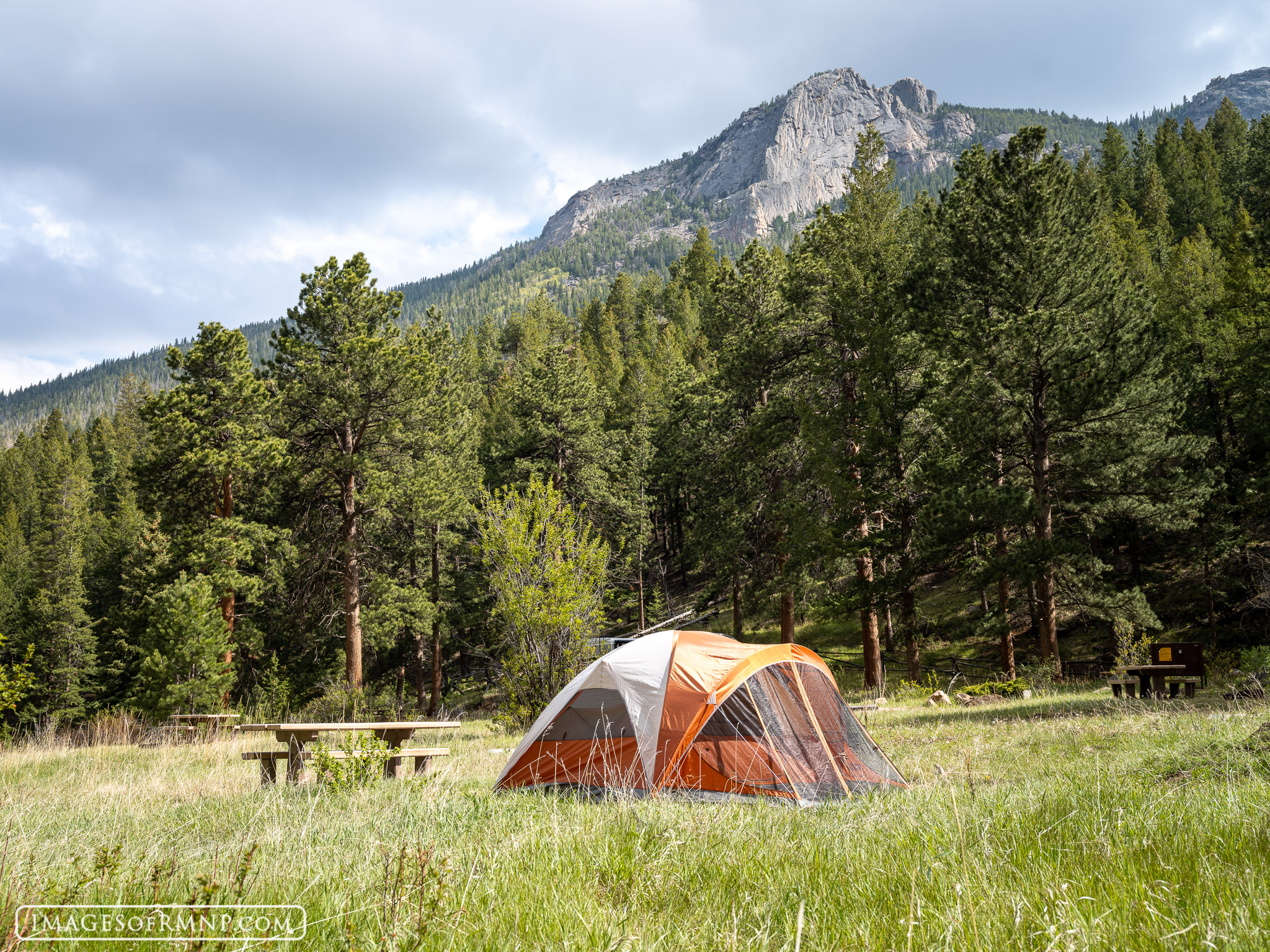
Traveling the Rockies
This is some information
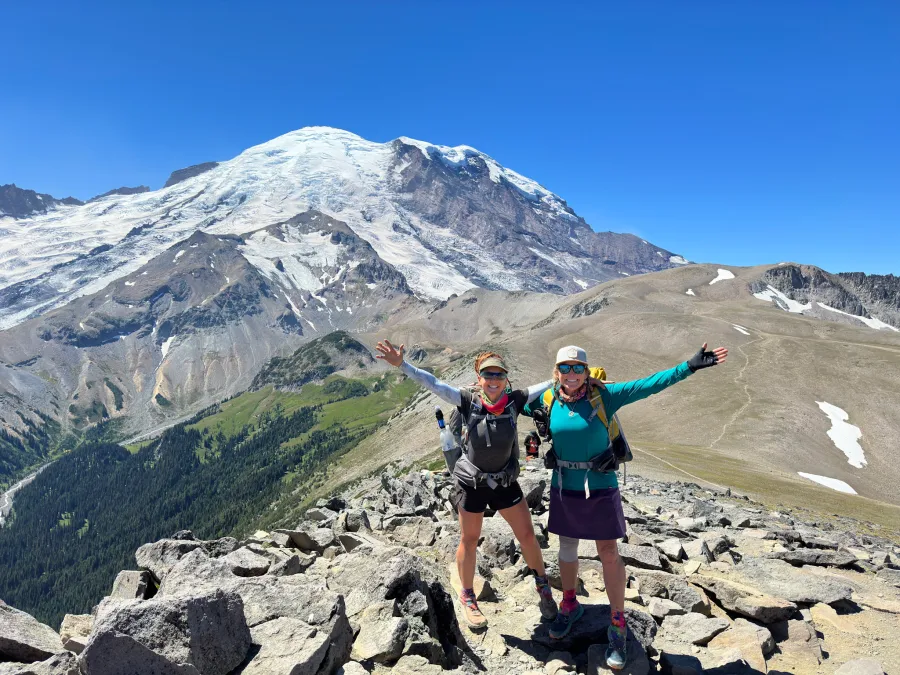
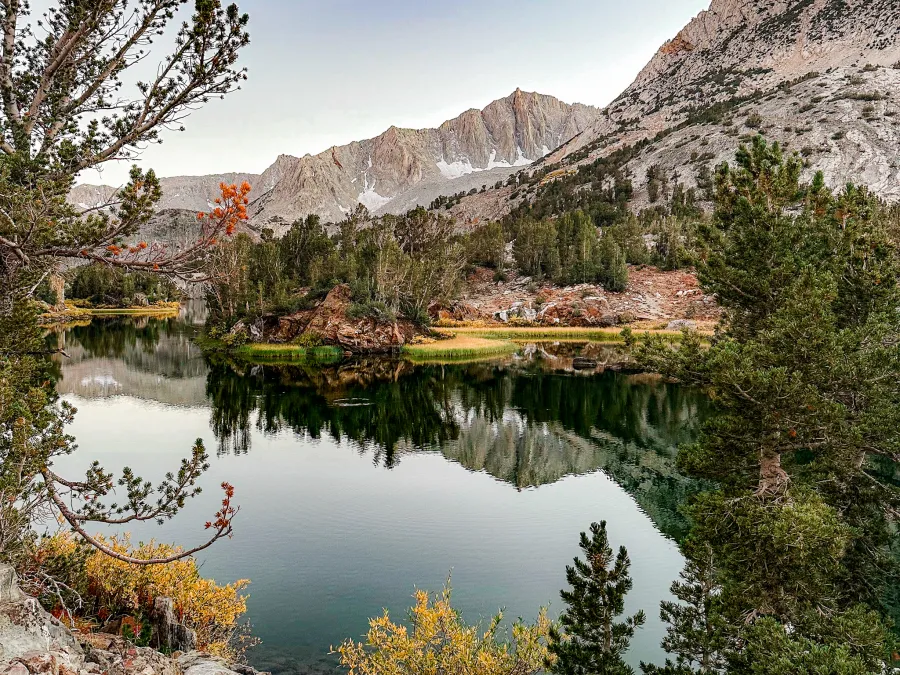
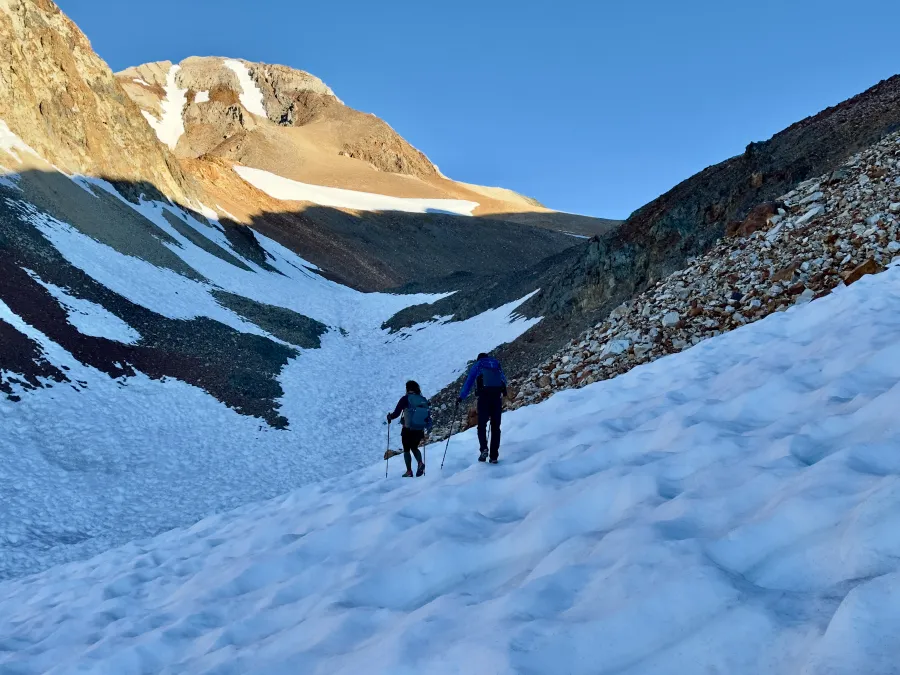
Mountain roads often include:
- Sharp switchbacks
- Sudden elevation changes
- Limited cell service
- Wildlife crossings
Knowing what kind of environment you’ll be in helps you plan smarter and avoid surprises.
Planning Your Route Ahead of Time
One of the best ways to navigate the Rockies is to plan your route well before you leave home. GPS is useful, but it isn’t always reliable in remote mountain areas.
Bring a combination of:
- Downloaded offline maps
- A printed road map or trail map
- A compass if hiking deep into backcountry
Also, check road conditions ahead of time—mountain passes can close unexpectedly due to snow or rockslides, even in late spring.
Timing Your Travel
Driving through the Rockies is not something you want to rush. Roads can be slow-going, especially with traffic near national parks or sudden weather changes.
Try to:
- Start driving early in the day
- Avoid traveling at night (wildlife is more active)
- Build extra time into your schedule
In the mountains, a two-hour drive can easily become three or four with stops, construction, or storms.
Preparing for Mountain Weather
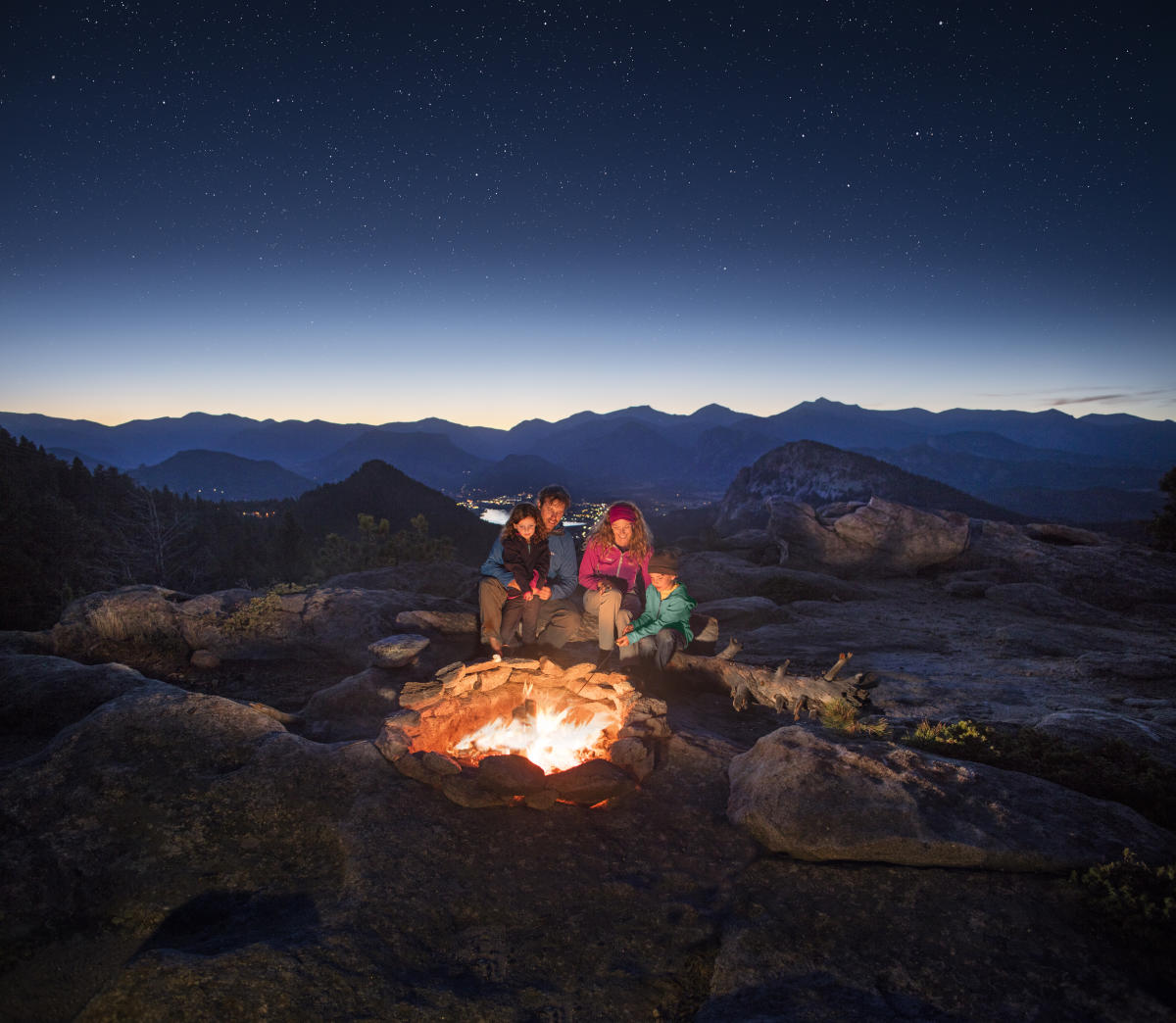
Weather in the Rockies can change fast. A sunny morning can turn into an afternoon thunderstorm or cold wind without warning.
Always pack layers, including:
- A waterproof jacket
- Warm base layers
- Extra socks and gloves
- A sleeping bag rated for cold nights
Even summer camping trips can dip below freezing at higher elevations.
Choosing the Right Campsite
Whether you’re staying in a campground or heading into dispersed camping areas, campsite selection matters.
Look for sites that offer:
- Shelter from strong winds
- Access to water (but not too close to rivers)
- Safe distance from cliffs or dead trees
- Clear fire regulations
Many Rocky Mountain areas have strict rules about fires, food storage, and wildlife safety—especially in bear country.
Staying Safe in Remote Areas
The Rockies are breathtaking, but they are also remote. Help may be far away, so self-reliance is key.
Be sure to bring:
- A first-aid kit
- Extra food and water
- Bear spray (where recommended)
- A headlamp with spare batteries
Let someone know your route and expected return time, especially if hiking or camping off-grid.
Enjoying the Journey
Navigating the Rockies for a camping trip isn’t just about getting from point A to point B—it’s about enjoying the experience. Stop at scenic overlooks, explore small mountain towns, and take time to appreciate the landscapes that make the Rockies so iconic.
Camping here offers a rare chance to disconnect from daily life and reconnect with nature in one of the most stunning regions on Earth.
Final Thoughts
A camping trip through the Rockies can be the adventure of a lifetime, but preparation is essential. With the right planning, navigation tools, and safety mindset, you’ll be ready to explore the mountains with confidence.
So pack your gear, map your route, and get ready for unforgettable views under the stars.
Happy camping!